Metrino Engine Visuals
The 2026 Engine Update

Beyond Output:
Responsive Physics.

At Metrino Gaming Apps, we don't just build interfaces; we architect ecosystems where every pixel possesses mass and every interaction leaves a persistent mark. Discover the features that define our "Kinetic Core" philosophy.

View all applications
Neural Overlay Preview

Current Feature

Neural Overlay HUD

STABILITY

99.9%

Engine Architecture

Kinetic Core Physics

Our engine renders particle physics in real-time, moving beyond pre-baked loops. Smoke trails, debris, and fluid dynamics react to player momentum with zero frame jitter. This is achieved by offloading vector calculations to a dedicated shader layer, ensuring that even mid-range hardware maintains a consistent 60 FPS under chaotic environmental conditions.

Whether it's the ripple of a landing page or the fracture of a 3D wall, the math is grounded in realism, creating a tactile weight often missing in mobile gaming.

[ BUILD_ID: 1029-SN ]

Spatial Resonance

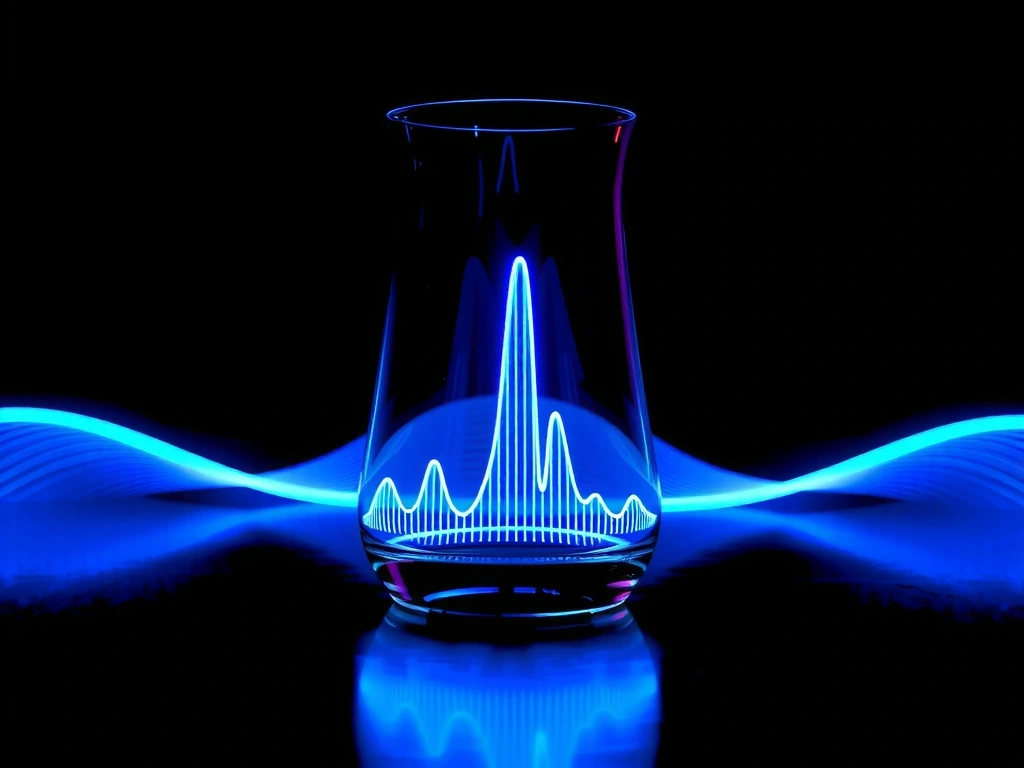
Audio is now a visual component. Bass drops trigger edge-distortion and light bloom, synchronizing haptic pulses with the environment.

Fracture Memory

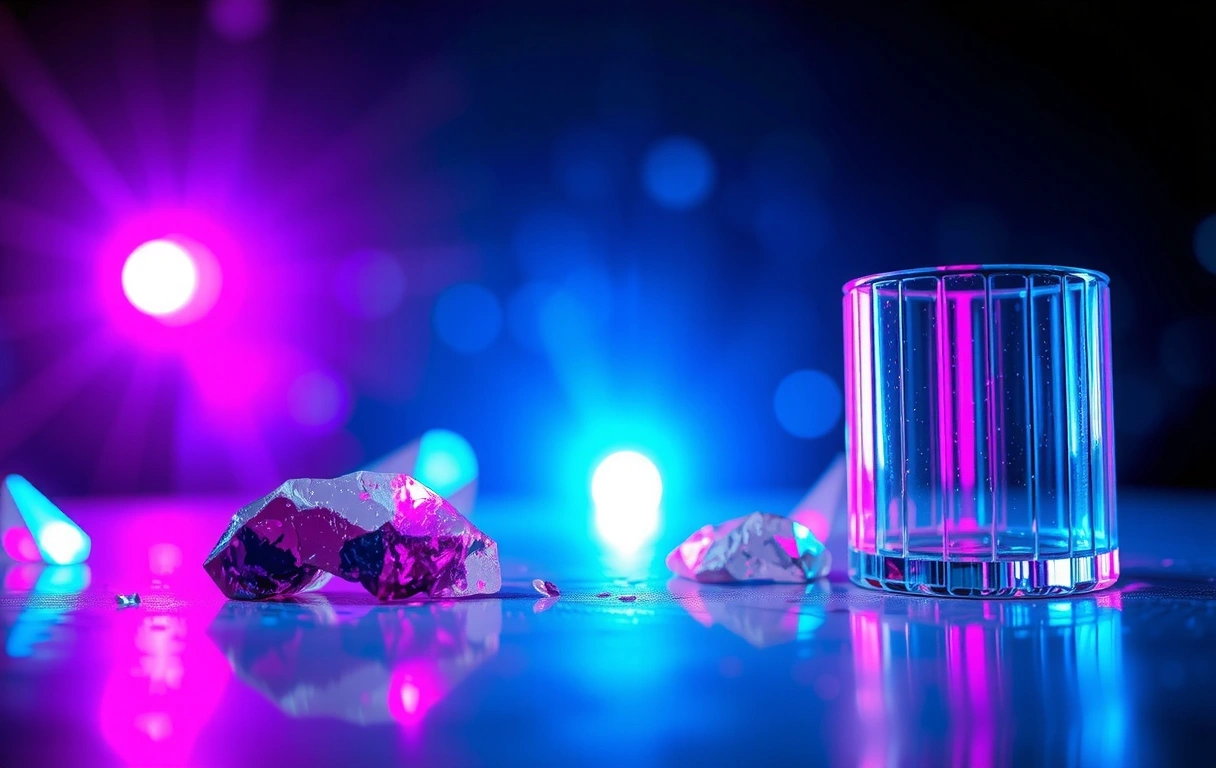
Destruction is persistent. Broken walls and shattered objects remain in their physical state for the session duration, leaving an authentic trail of your gaming history.

Morph Geometry

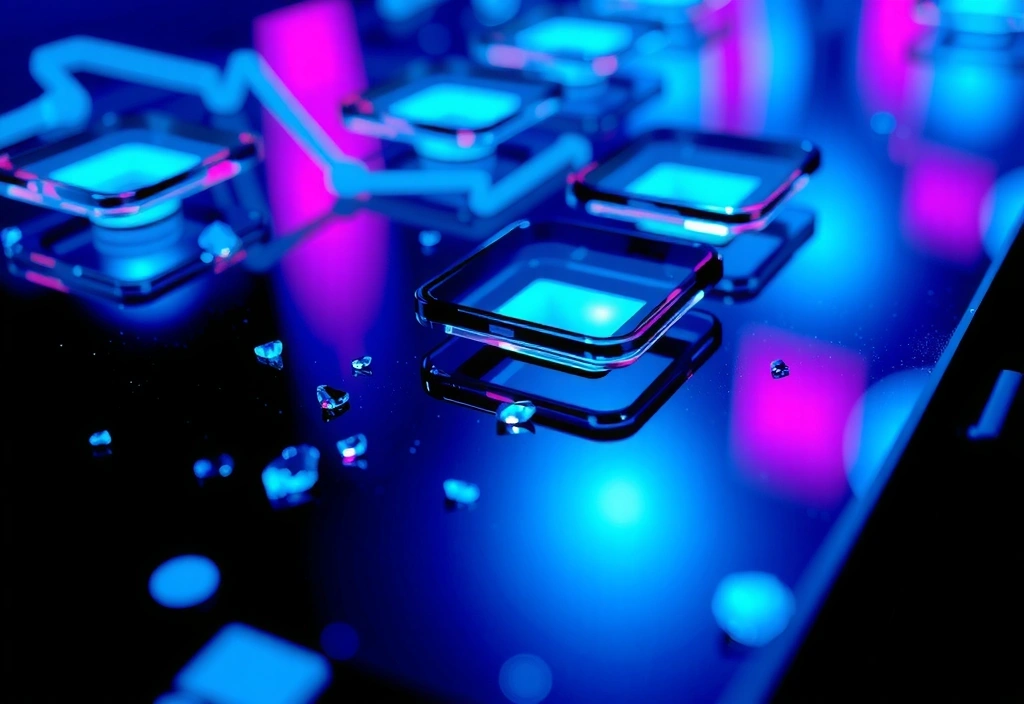
Stat-driven avatars. Higher defense dynamically increases the 3D silhouette of your character, reflecting gameplay choices in real-time geometry.

Common Frustrations

  • Floaty touch controls without mass
  • Static HUDs that block vision
  • Metrino Solution: Haptic Wave Physics

"We don't optimize for benchmarks; we optimize for tension. Every feature on this page targets the visceral connection between a player's intent and the screen's response, bridging the gap between digital action and physical feeling."

The Adaptive Contrast Logic

Mobile gaming environments are notoriously volatile. A player might transition from a high-stakes tournament in a dimly lit room to a casual commute under direct sunlight. Most applications rely on basic brightness settings, which often wash out colors or make technical text unreadable.

The Metrino **Adaptive Contrast Engine** shifts the paradigm. Instead of global brightness adjustments, the engine analyzes the luminance spectrum of the current frame and applies a localized stroke filter to UI elements. If the scene behind a status bar becomes chaotic, the opacity of the glass panel behind it increases instantly, maintaining legibility without the user ever touching a slider.

"The hardest challenge wasn't the graphics—it was the cognitive load. By making the HUD smarter, we let the player focus on the boss fight, not the interface."

— Lead Designer, Metrino Lab

Chrono-Snap: Precision Framing

In competitive gaming, timing is everything. Our **Chrono-Snap** feature introduces a microsecond frame-freeze accompanied by a chromatic aberration flare during critical actions. This visual "pause" isn't a performance drop—it's a deliberate psychological anchor that confirms the success of high-precision inputs. By manipulating the frame buffer, we give players a tactile sense of impact that raw 120Hz rendering alone cannot provide.
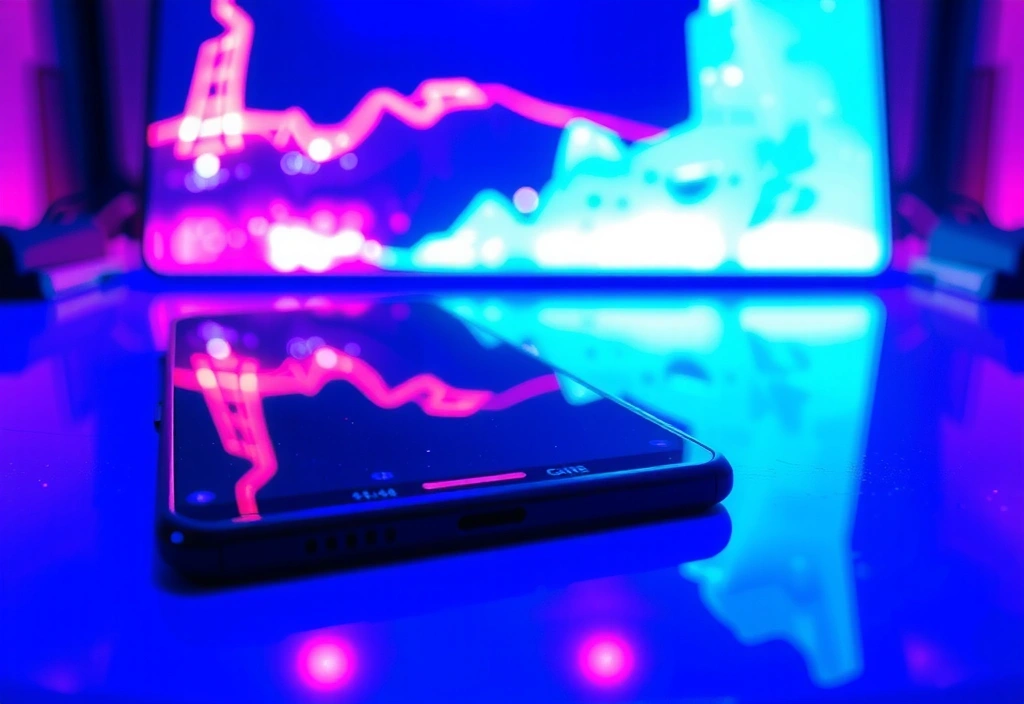
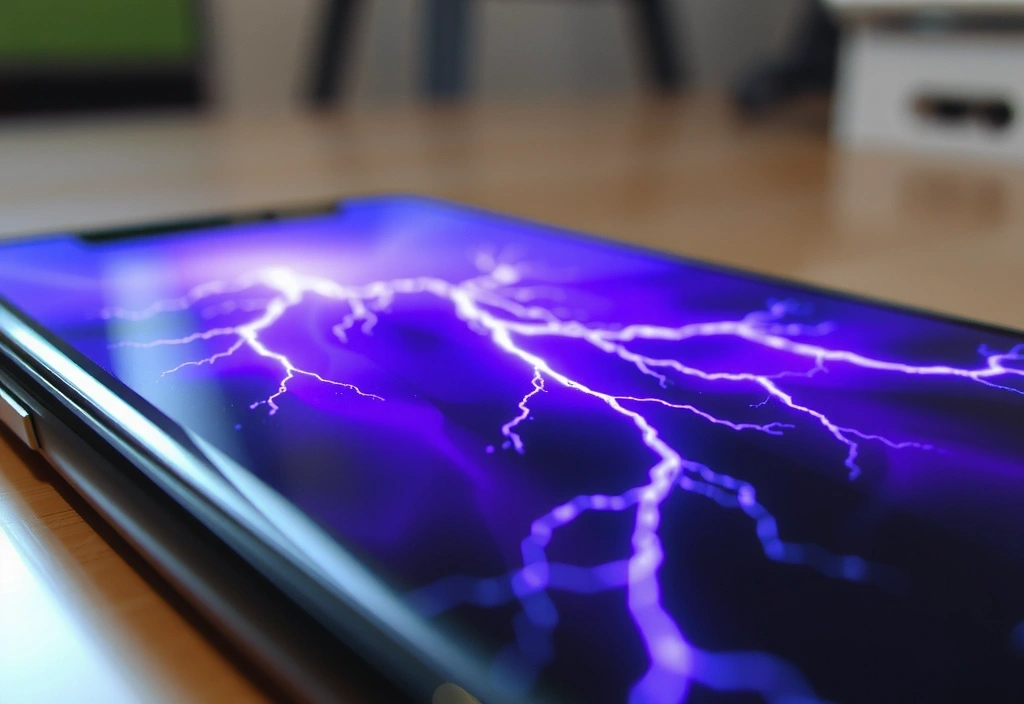
Exhibit A: Morph Geometry Pipeline

Exhibit B: Digital Storm UI Event

Implementation & Feasibility

How does the Kinetic Core impact battery life on older devices?

The engine uses a tiered physics model. Older silicon (pre-2022) automatically scales down the particle count to maintain thermals without sacrificing the haptic feedback logic.

Is the Neural Overlay customizable for accessibility?

Yes. While it uses procedural generation, players can lock specific color-blind modes (Deuteranopia/Protanopia) which then act as the primary seed for the generation algorithm.

Does Fracture Memory reset after the game closes?

Persistence is maintained for the active gameplay session. To keep storage local and minimal, temporary physics data is purged upon application cold-start.

Can the Spatial Resonance be disabled for night play?

Users can toggle the 'Visual Audio' bloom in the settings, allowing for haptic-only feedback or pure visual alerts when playing with low volume.

What are the data requirements for AR Lore Lens?

Most AR assets are vector-based and pre-loaded. The 'Lore Lens' typically adds less than 12MB of network overhead per hour of gameplay.

Ready to see it in motion?

Technical specs only tell half the story. Experience our engine's performance across our full suite of 2026 gaming applications.